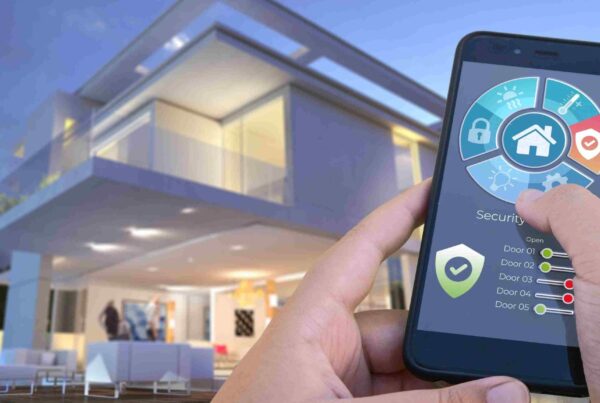

Energy efficiency in architecture is essential to reduce energy consumption and minimise the environmental impact of buildings. This concept involves designing and constructing buildings that optimise the use of energy resources, improving occupant comfort and promoting sustainability.
What is Energy Efficiency in Architecture?
Energy efficiency in architecture refers to the ability of a building to optimize energy consumption while maintaining the comfort of its occupants. This concept goes beyond just saving electricity or fuel, as it encompasses intelligent space design, the selection of sustainable materials, and the incorporation of advanced technologies to improve the building’s energy performance.
In practice, energy efficiency translates into constructions that make the most of natural resources, such as sunlight and cross-ventilation, to reduce the need for heating, cooling, and artificial lighting systems. It also involves the use of passive elements, like ventilated facades, solar-controlled windows, and green roofs, which help maintain a stable interior temperature throughout the year.
This efficiency not only benefits property owners by reducing energy bills but also contributes to environmental sustainability by lowering the building’s carbon footprint. In new construction projects, such as those developed by Casilla de Costa in Fuerteventura, energy efficiency is integrated from the design phase, ensuring more sustainable, comfortable, and energy-saving homes.
Key Principles of Energy Efficiency in Architecture
- Bioclimatic Design
Bioclimatic design takes advantage of the local climate to reduce the need for artificial heating, cooling, or ventilation systems. This involves the proper orientation of buildings to maximize sunlight in colder months and shade in warmer ones. - Thermal Insulation
The implementation of insulation materials and techniques prevents heat loss in winter and minimizes heat gain in summer. This reduces the dependence on heating and air conditioning, cutting energy costs significantly. - Natural Ventilation
Designing spaces to facilitate the natural flow of fresh air reduces the need for mechanical ventilation systems. Cross-ventilation strategies improve indoor air quality and lower energy consumption. - Use of Renewable Energy
Incorporating renewable energy systems, such as solar panels or wind turbines, generates clean energy and reduces reliance on non-renewable sources. This not only lowers utility bills but also promotes energy independence. - Sustainable Materials
Sustainable construction materials, like recycled or locally sourced products, reduce the environmental impact of buildings. These materials often offer better insulation properties, contributing to the building’s overall energy efficiency.
Benefits of Energy Efficiency in Architecture
- Energy Savings: Energy-efficient buildings use fewer resources, resulting in lower energy bills for homeowners.
- Reduced Carbon Footprint: By lowering energy consumption, buildings contribute less to global CO₂ emissions.
- Higher Property Value: Energy-efficient homes are more attractive to buyers and investors, often commanding higher market prices.
- Comfort and Well-being: Energy efficiency improves the indoor environment, with better thermal and acoustic comfort.
- Compliance with Regulations: In many regions, energy efficiency is a legal requirement for new buildings, and compliance can avoid penalties.
Energy Efficiency in New Construction at Casilla de Costa
At Casilla de Costa, we integrate energy efficiency into every architectural project, from the design phase to completion. Our homes in Fuerteventura stand out for their modern, sustainable design and use of energy-efficient materials. With proper insulation, cross-ventilation, and the integration of renewable energy sources, these homes offer greater comfort, lower utility bills, and a reduced carbon footprint.
If you’re looking for a home that combines modern design with energy efficiency in architecture, we invite you to contact us through our form. We’ll help you find the ideal property that suits your needs and promotes a sustainable lifestyle.