
Imagine opening your windows and feeling the Atlantic breeze in a home that breathes in harmony with nature. This is the lifestyle proposed by Casilla de Costa, our real estate development project located in Fuerteventura, Canary Islands (Spain).
In this guide, you’ll discover what defines sustainable housing, its real advantages, essential features, and how we are already applying these principles in our new-build projects in Spain.
What is Sustainable Housing?
Sustainable housing refers to homes that minimize energy demand and environmental impact throughout their entire life cycle, without compromising occupant comfort. This is achieved through a combination of:
-
Passive design (orientation, cross ventilation, shading systems).
-
High-level thermal insulation and airtightness.
-
Efficient active systems — such as heat pumps, aerothermal systems, and photovoltaic panels — that cover the minimal remaining energy demand.
-
Low-impact materials (recycled, local, or low carbon footprint).
-
Responsible water and construction waste management.
Technical Concept vs. Casilla de Costa’s Real Application
A home is considered sustainable when it reduces conventional energy use, employs low-impact materials, and maximizes living comfort. In our developments in the Canary Islands, this translates into aerothermal systems, mineral rock wool insulation, and bioclimatic design adapted to the local climate.
Difference Between Sustainable and Bioclimatic Housing
Bioclimatic architecture focuses on harnessing sunlight, wind, and orientation for natural comfort. Sustainable housing, in addition, incorporates social and economic criteria such as local materials and water management. We explore this topic in detail in our article “What is Bioclimatic Housing?”.
Key Regulations (Spain)
Important Note: The following regulations apply specifically to Spain and the European Union. If you are in the UK, please check your local building codes and sustainability regulations.
According to Directive (EU) 2024/1275:
-
All new buildings in Spain must be zero-emission by 2030.
-
Existing buildings must be renovated to meet these standards by 2050.
-
Additionally, over 80% of Spain’s residential buildings, currently rated E, F or G by the Spanish Energy Performance Certificate (EPC), will be required to reach at least class D by 2033, and A-B by 2040.
7 Key Features of a Sustainable Home (Based on Spanish Market Standards)
-
Energy certification A or B (or an upgrade plan to achieve this before 2030).
-
Very low thermal demand: well-insulated façades and roofs, windows with thermal break.
-
On-site renewable energy: heat pumps (aerothermal/geothermal) or photovoltaic systems.
-
Natural ventilation plus heat recovery systems for fresh air without energy loss.
-
Water management: efficient taps, rainwater and greywater reuse.
-
Healthy materials and finishes (low VOC emissions, formaldehyde-free).
-
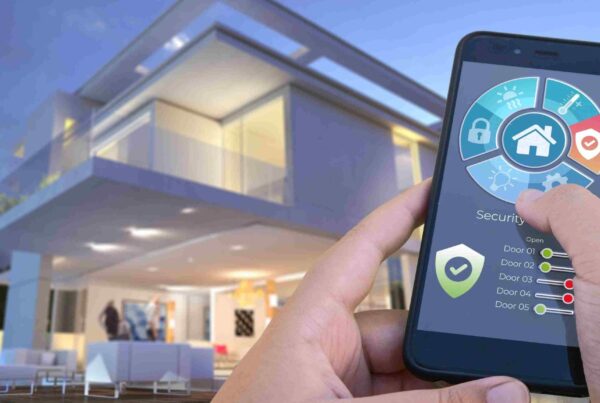
Smart consumption monitoring via home automation systems.
Real Benefits of Sustainable Housing
| Benefit | Average Impact | Source |
|---|---|---|
| Energy savings | ↓ 50-70% on heating/cooling | Aerothermal systems up to 50% cheaper than gas oil |
| Lower carbon footprint | –2 t CO₂/year per home | Bioclimatic examples in Fuerteventura (Spain) |
| Property value increase | +30% after renovation | Next-Gen pilot project (Toledo, Spain) |
| Health and wellbeing | Fresher air, quieter interiors | Bioclimatic design principles |
*Cifre approssimative in base a ciascun progetto
More Value and Lower Costs
Reduced energy consumption and high efficiency increase property resale value and improve eligibility for green mortgages.
How to Know If Your Home (or Future Home) Is Sustainable
-
Check the energy performance certificate: in Spain, from 2026, class A will mean zero emissions.
-
Ask for the renovation passport (mandatory in Spain), showing staged improvement plans.
-
Verify active systems: aerothermal or inverter heat pump systems are key indicators.
-
Request materials documentation: look for natural insulation, eco-friendly paints, and FSC-certified wood.
-
Evaluate passive design: correct orientation and shading can reduce energy consumption by up to 30% without extra cost.
Sustainable Housing Examples at Casilla de Costa (Fuerteventura, Spain)
To illustrate these concepts, let’s explore our developments in La Oliva (Fuerteventura), where our residential project “Casilla de Costa – Homes to Dream” offers homes that:
-
Save up to 60% in energy costs thanks to bioclimatic design and cross ventilation.
-
Reduce 2 tons of CO₂ emissions per year (aligned with EU regulations).
-
Use aerothermal systems: extracting up to 75% of energy from the air, cutting energy bills by 50% compared to conventional systems.
-
Feature north-south orientation, inner courtyards, and local materials, blending architecture with the island’s volcanic landscape.
Our villas and apartments already meet the standards that the European Union will require in 2030. For those seeking a second home or remote working base in a warm climate, this is an accessible option combining sustainability, property value, and quality of life.
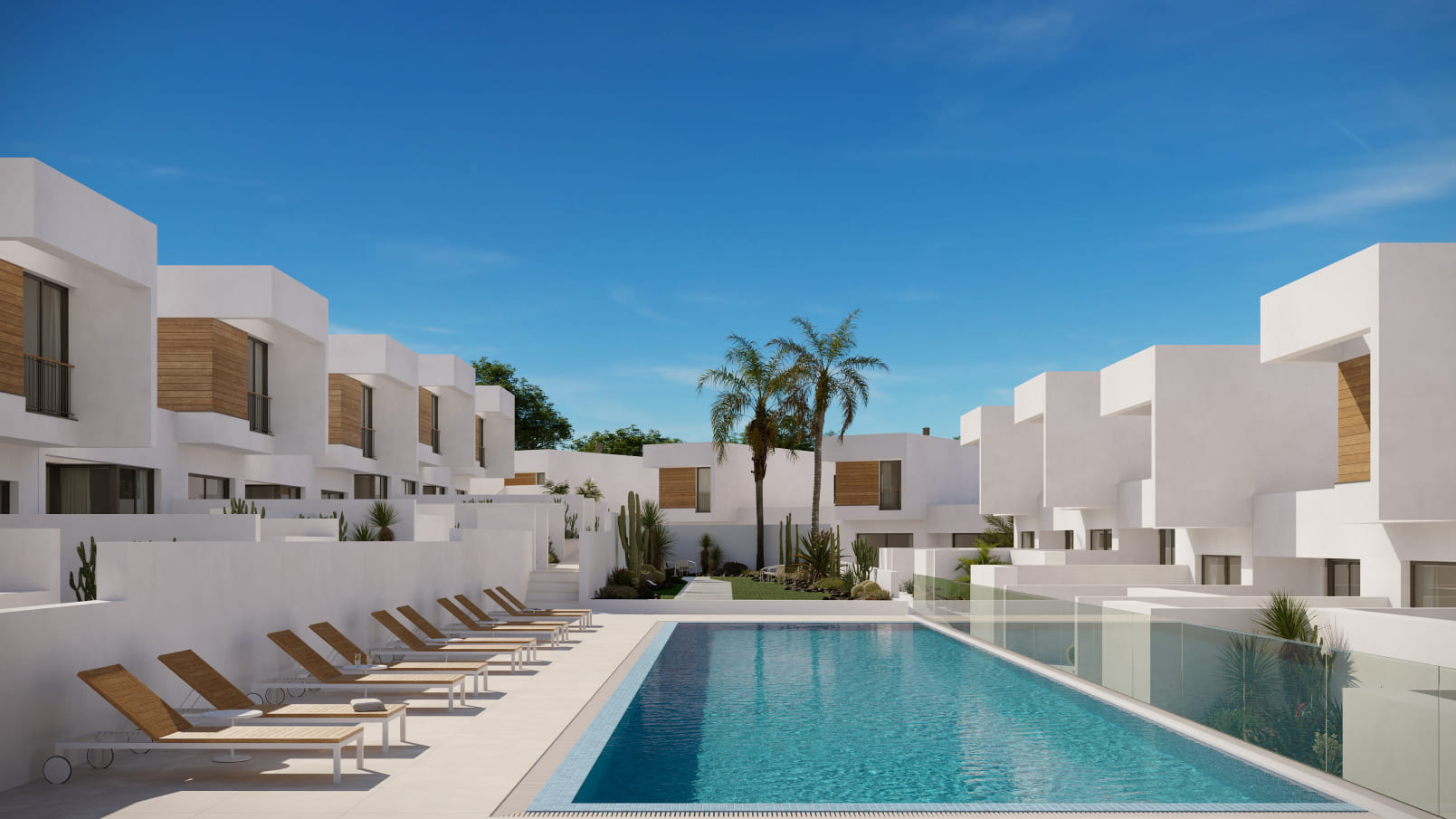
Costa Lobos
Two-storey villas with modern architecture and native landscaping.
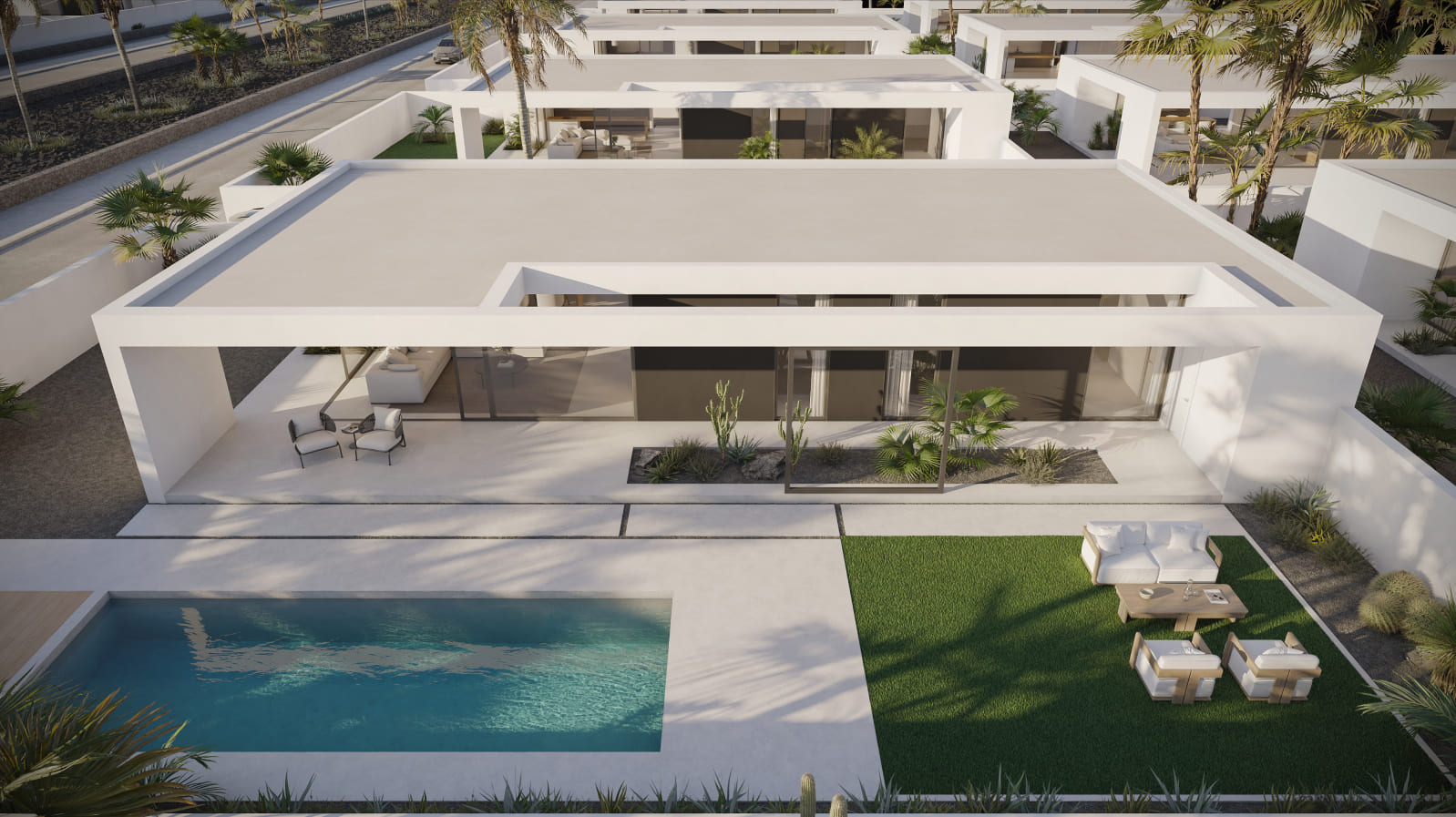
Costa Tinaya
Detached villas combining efficient insulation and natural ventilation in harmony with the landscape.
Ready to Live More Sustainably?
Can you imagine living every day with sunshine, peace, and thermal comfort without overpaying on your energy bills? Come and discover our sustainable housing projects in Fuerteventura (Spain). We’ll guide you every step of the way.
👉 Explore our new sustainable villas
📩 Any questions? [Contact us here]
Frequently Asked Questions about Sustainable Housing
Are sustainable homes more expensive than conventional ones?
The initial extra cost is usually around 5–10% of the total price, according to surveys by Fotocasa and Solvia (Spanish real estate platforms). Most buyers are only willing to pay up to 10% more, but the subsequent energy savings and property revaluation typically compensate for the investment.
What materials are used in sustainable housing construction and why?
Materials include FSC-certified wood (renewable and low-impact), rock wool and cork as natural, high-performance insulators, as well as recycled steel or low-carbon concrete. These materials are chosen for their lower emissions and their ability to improve thermal and acoustic comfort.
Does aerothermal technology work in warm climates like the Canary Islands?
Yes. In fact, aerothermal systems perform even better in mild climates, supplying heating, cooling and hot water from a single unit, making them ideal for locations like the Canary Islands in Spain.